


BESHERT by Daniel Kushner
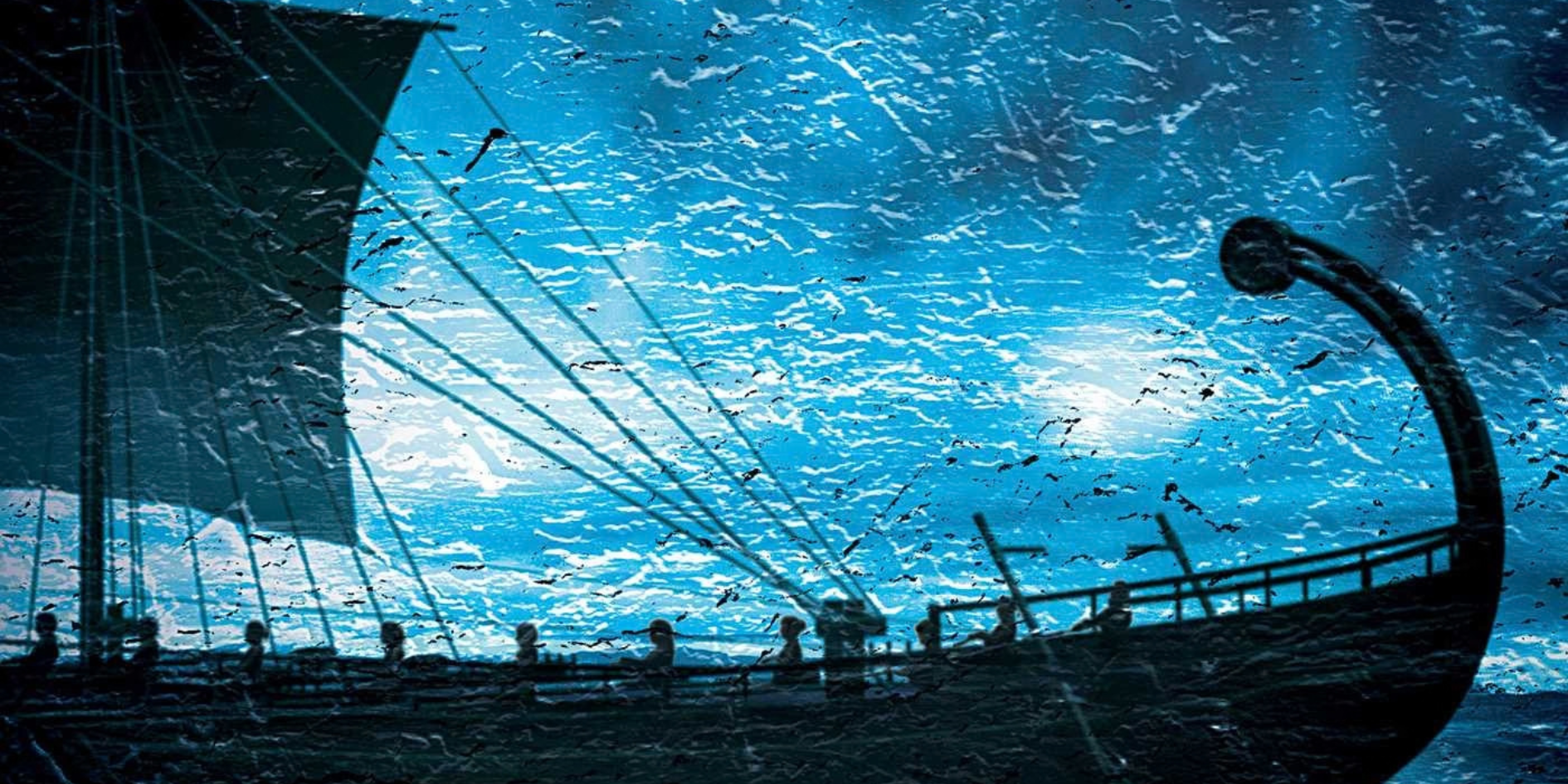
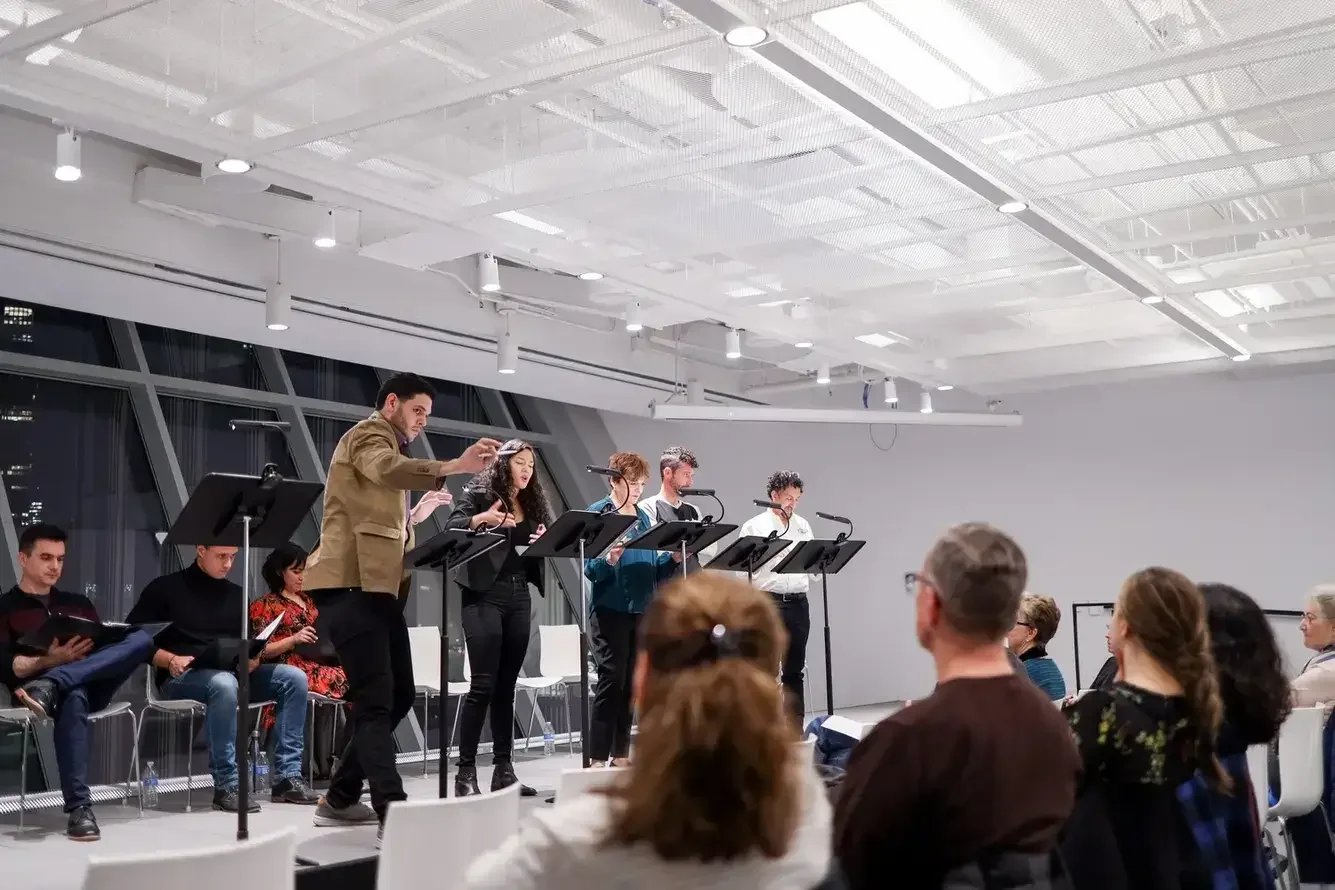
In anticipation of the free public reading of BESHERT on October 26, we spoke with playwright Daniel Kushner about the inspiration behind the play, his research into New York’s immigrant history, and how his background as an actor has shaped his approach to writing.
Thank You for Spending Your Summer with NY Classical
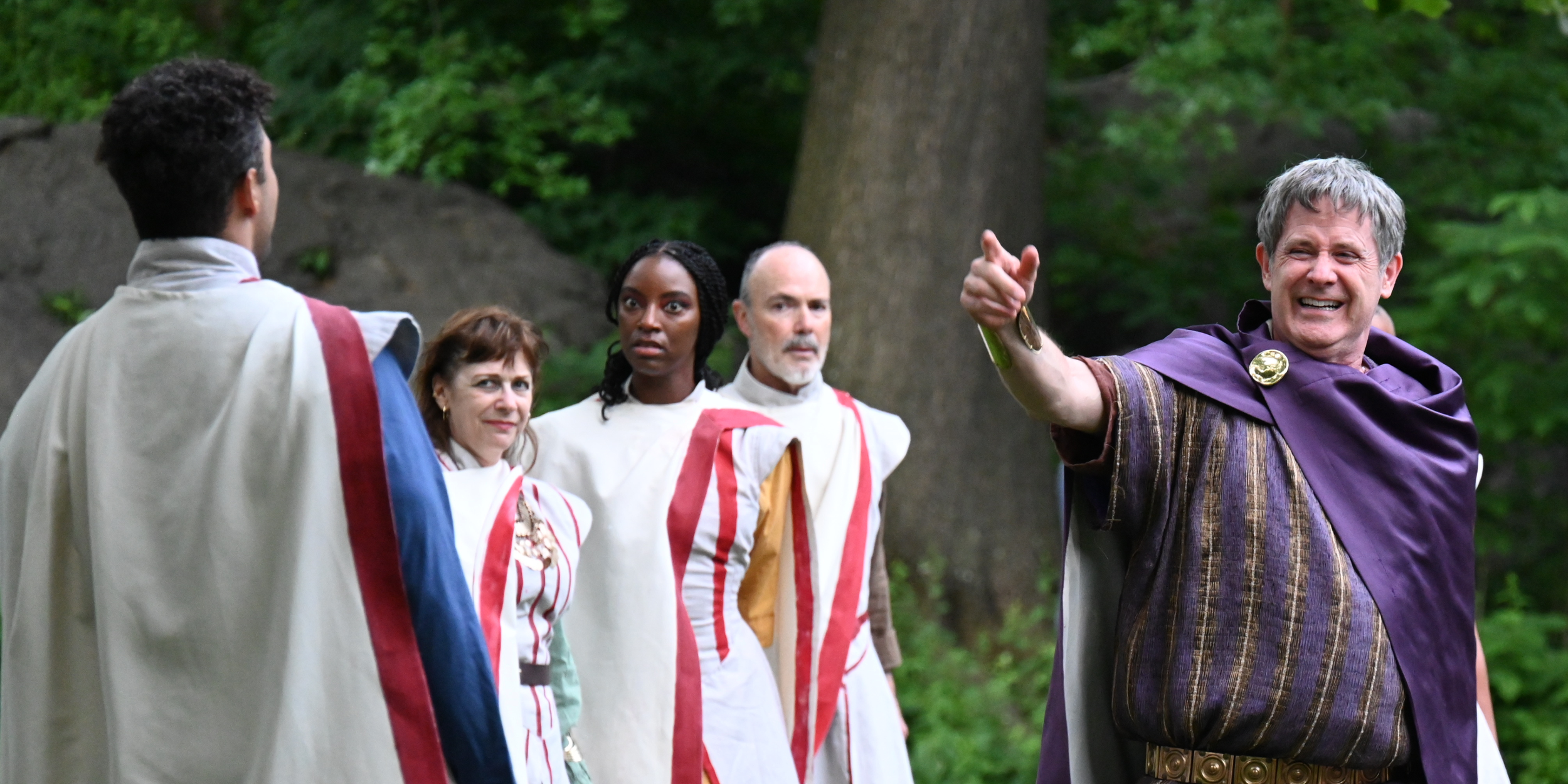
AS OUR 2026 SUMMER SEASON COMES TO A CLOSE, WE WANT TO THANK EVERYONE WHO MADE THE TRAGEDY OF JULIUS CAESAR SUCH A MEMORABLE JOURNEY.
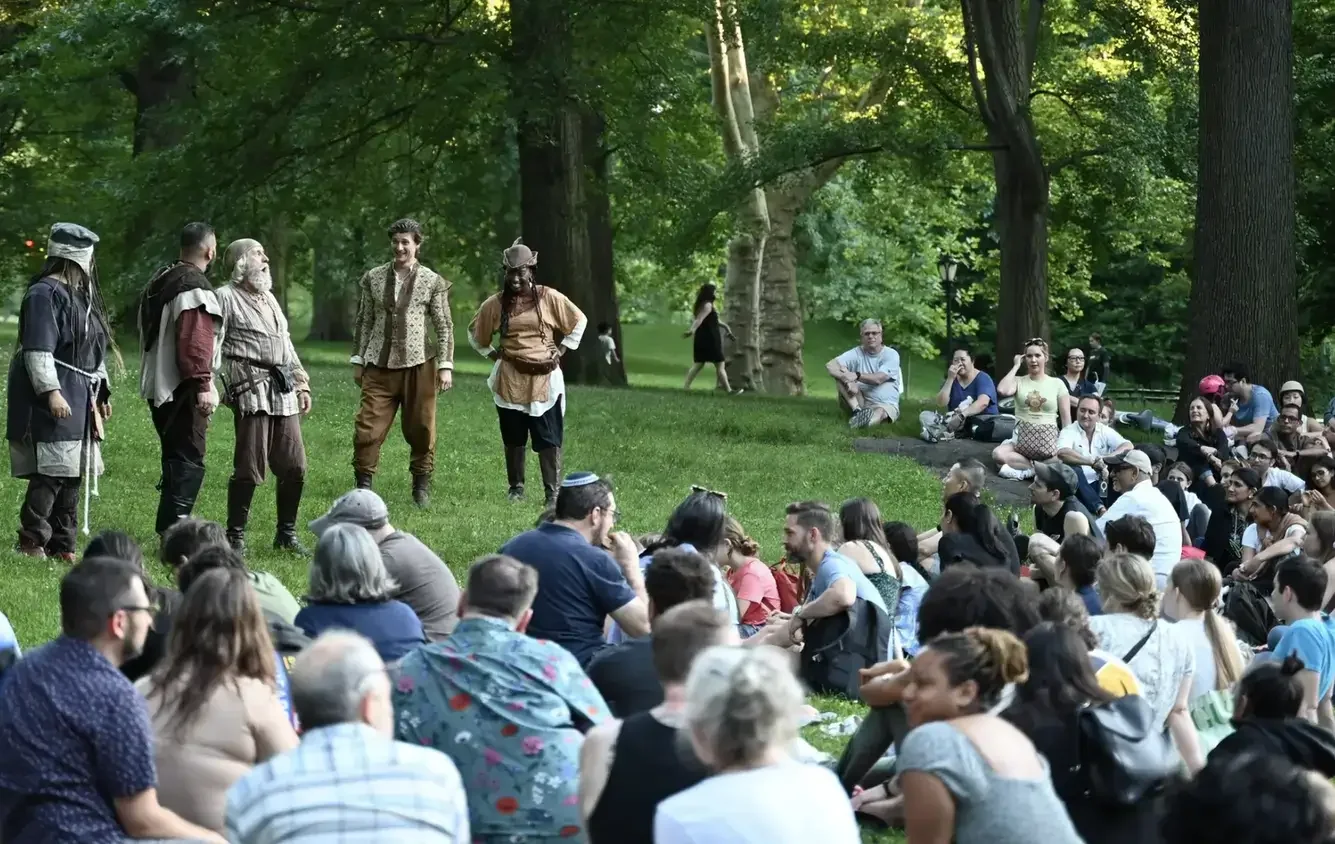
To the thousands of audience members who walked with us through New York’s parks—and to our extraordinary artists, staff, volunteers, donors, and community partners—thank you. This summer was made possible by you.
What does NY Classical do in the off-season?
We find new reasons to talk about Shakespeare, of course!
This time, Stephen Burdman joins Kenneth Branagh and Ryan Reynolds for a little Bard talk ahead of Mayday.
WHO WE ARE
New York Classical Theatre creates and reinvigorates audiences for the theatre by presenting free productions of popular and forgotten classical plays in public spaces throughout New York City. We are also committed to developing and producing new plays by living playwrights that enrich and expand our understanding of what defines a classic.
Stay Connected with NY Classical
Stay connected with NY Classical and be the first to hear about upcoming performances, special events, news from our artists and friends, what’s happening across the theatre community, and more we’re excited to share.
“This is the way Shakespeare wrote his plays to be seen.”
– The Huffington Post
Follow Us Everywhere You Go
THE SHOW DOESN’T END WHEN YOU LEAVE THE PARK.
Follow New York Classical Theatre on social media for behind-the-scenes moments, artist spotlights, performance updates, photos, videos, and more. See what’s happening onstage, backstage, and all around the park—and share your NY Classical experience with us!